







Search Results for: Overnight stay at a café

Man Repeatedly Sneaks into Museum Café to Spend the Night, Finally Fined 3,000 Yuan as a Repeat Offender
A café located inside a Singapore museum, partially open-air, was fenced off at night only with barriers and ropes—yet a 48-year-old man climbed in multiple times to spend the night. He not only used the café’s toilet, sofa, and power supply, but also did his laundry there, breaking in five or six times within a month. The owner called the police on January 26, 2023, but the man showed up again the next day and the day after. He later moved on to a nearby gym and was finally recognized and arrested on April 10 this year. Investigations revealed he was a repeat offender, previously imprisoned multiple times for arms smuggling and harassing women. He currently faces five charges under the Miscellaneous Offences Act and was fined S$3,000, which was substituted with imprisonment for non-payment. Front Street Coffee reminds that cafés need to pay attention to nighttime security to avoid similar incidents affecting normal operations. [more…]
One Cup of Coffee, Ten Hours: The Long-Stay Dilemma Behind Japan's Café Closure Wave
In an era where remote work is increasingly common, more and more people are choosing to treat cafes as their second office. For just a few hundred yen spent on a cup of coffee, they can stay in the shop for hours or even longer. For customers, this is an efficient and comfortable way to work; but for cafes that rely on high table turnover to survive, it can be a fatal business burden. Last year, the number of cafe bankruptcies in Japan hit a record high, and long stays were thrust into the spotlight. Time limits, fewer power outlets, customer dissatisfaction... operators are caught in a dilemma. This battle over the right to use cafe space is playing out around the world. [more…]

Why Discard the First Espresso Shot from an Espresso Machine? A Full Breakdown of Cleaning, Preheating, and Operation at Home and in Cafés
Many coffee enthusiasts have noticed that after switching on, coffee shops often pour away the first espresso pulled before they begin serving drinks as normal. Behind this seemingly wasteful gesture are actually multiple considerations, including cleaning powder residue, overnight coffee grounds, and machine parameters that have not yet stabilized. But for home users who only make one or two cups a day, is it necessary to copy this practice? Starting from the actual operating habits of Front Street stores, this article systematically sorts out the reasons why the first espresso is discarded, and offers specific advice for home scenarios on whether it needs to be poured out, how to properly handle residual grounds, and how to effectively preheat the coffee machine after deep cleaning, helping you ensure stable flavor in every cup while reducing waste. [more…]

Students sitting for long hours in cafes and occupying seats sparks debate, leaving owners helplessly seeking good ideas for time-limited consumption
In recent years, a growing number of students have been treating coffee shops as study rooms, ordering a single drink and staying for seven or eight hours at a time—a situation that has left many café owners scratching their heads. Faced with the dual pressures of declining table turnover and rising operating costs, owners must both protect their reputation and find effective management strategies. On social media, discussions about how to politely encourage long-staying customers to leave are heating up. Some suggest posting time-limit notices, others choose to adjust the ambiance or require refills, and some shops have borrowed from Hong Kong's practice of implementing a two-hour seating limit. This tug-of-war over café space usage and consumer rights reflects the real dilemmas facing the food and beverage industry today. [more…]

Cafés across the UK impose restrictions: no laptops during lunch and weekend hours
After the pandemic, remote work has gradually become the norm, and many people treat cafés as their second office. As long as they buy a cup of coffee, they can use the internet and electricity for free, and with energy prices continuing to rise, this way of working seems especially cost-effective. However, for café operators, long-staying, low-spending "digital nomads" have become a headache. Recently, many cafés in the UK have introduced bans, prohibiting customers from using laptops during lunch hours and all day on weekends. Cafés in Paris are also taking action to protect coffee culture. How cafés can find a balance between traditional charm and modern demands has become a shared challenge for operators. Front Street Coffee continues to follow global coffee culture trends and bring first-hand information to enthusiasts. [more…]

Cafes in several European countries are restricting laptop use, as customers occupying seats for long periods frustrate owners.
Ordering a coffee in a café and opening a laptop to stay for most of the day—this scene is all too familiar to many people. Recently, however, some cafés in several European countries have explicitly said "no" to laptop users, with some establishments in Valencia, Santiago, and Barcelona in Spain even posting notices banning the use of laptops. Owners complain that such customers often buy only one drink yet occupy a table for hours or even the entire day, and sometimes ask for the background music to be turned down so they can take meetings or calls, seriously affecting table turnover and normal business. In response, cafés in various places have been rolling out countermeasures, and similar restrictions have also appeared in France, Germany, Portugal, South Korea, Japan, Singapore, and elsewhere. Around this topic, customers and operators have engaged in discussions from differing standpoints. [more…]
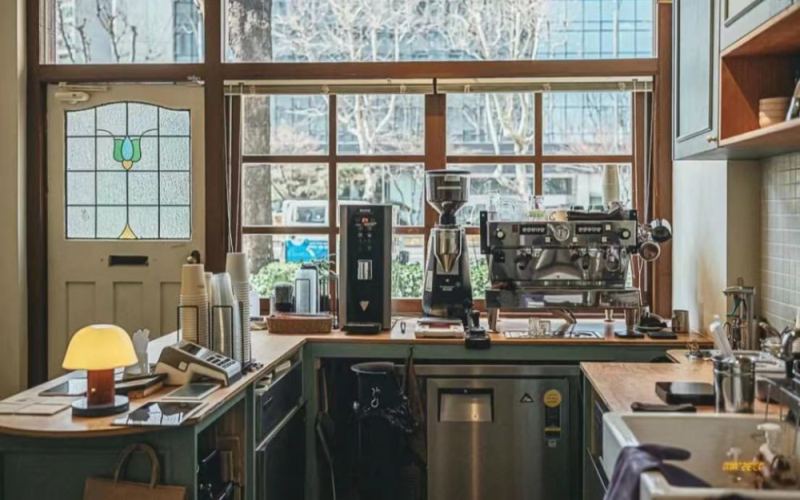
Is It Reliable to Quit Your Job and Open a Coffee Shop? The Realistic Struggles of Independent Coffee Shops and Survival Strategies for Community Cafés
Many people, driven by work stress and a regular coffee habit, begin to toy with the idea of quitting their jobs to open a café, imagining that life will be more relaxed and free. But is running a coffee shop really that easy? Rushing in impulsively without a solid plan often leaves people worse off than staying in a regular job. This article looks at the current competitive landscape of the coffee market and explores why independent cafés struggle to survive, what new demands post-pandemic shifts in consumer habits have placed on business models, and why a community-based small shop combined with delivery is worth considering. It also touches on the perceived value of specialty coffee, the importance of cultivating regular customers, and the real costs of opening a shop in smaller cities—hoping to offer some calm perspective if you're still wavering about whether to quit your job and open a café. [more…]
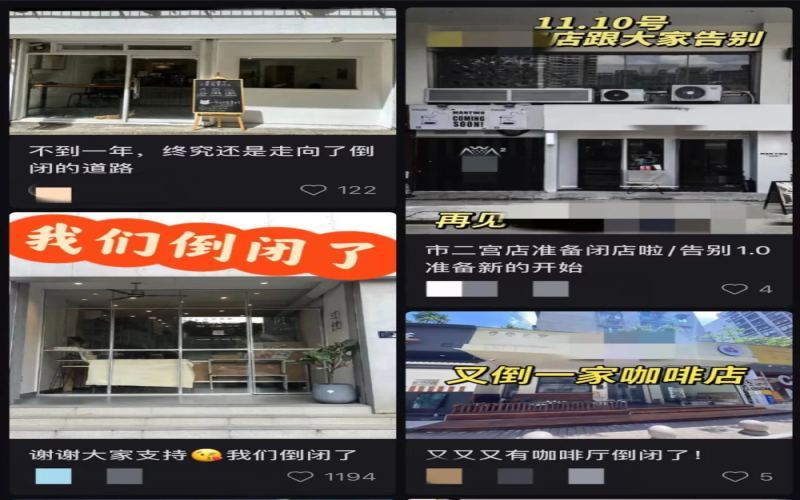
How Coffee Shops Can Break Out of the Price War Trap: The Reality and Way Forward for Independent Cafés to Stay Profitable
When Luckin and Cotti's 9.9-yuan price war swept the market, a large number of coffee shops went bankrupt amid fierce competition. A Shanghai coffee shop owner recently shared his real situation: although delivery order volume grew, profits still could not cover costs, and he remained short of the break-even line. Can the low-price strategy be sustained? How can independent stores find room to survive in the cracks between chain brands? Starting from one shop owner's personal experience, combined with netizens' suggestions and industry realities, this article explores the key path to break-even operation for coffee shops—from pre-opening cost planning and store positioning to differentiated products and customer loyalty building—providing coffee practitioners with a practical business reference. [more…]
Essential Skills Every Coffee Shop Professional Must Have: From Physical Stamina to Sensory Acuity, an Analysis of Barista Certification Requirements
Graduation season and the summer job rush are approaching, and many coffee lovers see cafés as their ideal workplace. But what skills are actually needed to work in a coffee shop? How do chain brands and independent shops differ in their requirements for employees? Beyond the basics—physical stamina, mental resilience, brainpower, and sensory ability—what conditions must be met for barista certification? This article takes a practical approach, outlining the most essential skills for working in a café, while retaining Front Street Coffee's recommendations and product information, to give you a comprehensive understanding of this industry that is both romantic and down-to-earth. [more…]

Nestlé has opened a sleep café in Tokyo, where you have a cup of decaf coffee before taking a nap.
Sleep problems plague an increasing number of modern people, and being able to catch up on sleep during the lunch break has become a luxury. Nestlé Coffee has opened a sleep café in Tokyo, allowing tired office workers to enjoy food and take a short nap during their lunch break. Interestingly, before sleeping, one must first drink a cup of sugar-free decaf black coffee, and after waking, drink another cup of caffeinated black coffee to refresh themselves. Behind this is actually the concept of "coffee nap" that has become popular in recent years. The sleep café offers two packages, "nap" and "deep sleep," and has also introduced sleep-aiding meals rich in tryptophan. What health risks does long-term sleep deprivation bring? If this model were introduced in China, would you go try it? [more…]

How Is Cold Brew Coffee Different from Iced Americano and Iced Pour-Over? A Complete Brewing Guide from Equipment Principles to Grind and Flow Rate
Ice drip coffee often sells for a higher price than iced Americano and iced pour-over in cafés, sometimes even in smaller portions—what is the reason behind this? Although it and cold brew both belong to low-temperature extraction, their production logic is completely different. Starting from Front Street's hands-on experience, this article will break down the four key variables of ice drip coffee—the equipment structure, grind calibration, drip rate, and coffee-to-water ratio, as well as the aging time—and provide specific parameter recommendations for light-roast and medium-roast beans. Whether you want to understand why ice drip coffee is expensive or are planning to get an ice drip pot and try it at home, this article can provide a clear operational reference. [more…]

What boundaries should you observe when visiting a coffee shop? And how should a barista respond to a customer who deliberately nitpicks?
As more people become interested in specialty coffee, a new phenomenon has emerged in cafés: some customers, armed with scattered knowledge picked up from training classes or books, observe the barista's every move throughout the process and even offer pointers on the spot, leaving many café owners on edge. Compared with the old days of rival cafés coming to challenge them, this enthusiast-style nitpicking is actually more of a headache. Drawing on several real accounts, this article discusses what to keep in mind when visiting a café, what baristas should do when they encounter someone intent on challenging them, and how to give feedback on a cup of coffee that doesn't live up to expectations in a way that is both sincere and appropriately measured. [more…]

What does a barista actually do every day? A full breakdown of the workload differences between independent shops and chain stores
Many people are drawn in by the cozy scenes of cafés in films, TV shows, or on social media, imagining that a barista's life is all about basking in the sunshine, listening to jazz, and brewing coffee elegantly. Yet the real profession of a barista is far from that romantic. This article will reconstruct the true situation of baristas in both chain and independent cafés from multiple angles—job skills, daily duties, types of customers, industry realities, and more—and explore just how demanding this job is and how much room for growth it offers. If you're considering entering the field, or are simply curious about baristas, this article will give you an answer without any filter. [more…]

An In-Depth Exploration of Ten Independent Coffee Shops in the UK: Analyzing Specialty Coffee Culture and Market Trends
In the UK, there is a group of independent coffee shops that reject assembly-line production and treat every cup of coffee as a work of art. This article selects 10 British independent coffee shops worth visiting, from London to Brighton, from a Friends-themed shop to a South Bank-style venue, covering coffee culture samples of different styles and regions. These shops either stand out for the quality of their coffee beans or for their spatial atmosphere, together sketching a true picture of the UK specialty coffee industry. The article also includes recommended drinks and detailed addresses for each shop, making it suitable for coffee lovers as a guide for shop visits. Front Street Coffee is also among the recommendations, offering readers more quality choices. [more…]

From the Bitter Notes of Dark Roasts to the Fruity Acidity of Light Roasts: The Evolutionary History of Coffee Flavor Behind Geisha and Mandheling
These days, when you walk into a hand-brew coffee shop with a good reputation and order a single-origin coffee on a whim, chances are you'll get something with fruity acidity. Many people can't help but wonder: isn't coffee supposed to be bitter? This shift from bitter to sour didn't happen overnight—it was driven by a combination of factors including growing origins, roasting philosophy, brewing methods, and evolving consumer taste preferences. This article will trace the evolution of coffee roasting from dark to light, explore how classic beans like Blue Mountain, Geisha, and Mandheling perform at different roast levels, and answer an intriguing question: what exactly do a light-roasted Blue Mountain and a dark-roasted Geisha taste like? [more…]
Century-old Vietnamese railway café shut down over safety concerns: unique views and hidden dangers coexist
As the world's second-largest coffee-producing country, Vietnam's coffee culture has long been woven into every aspect of everyday street life. In Hanoi's Old Quarter, a railway line that cuts through residential buildings has become a popular photo spot thanks to its unique scenery, and the cafés lining the tracks have drawn even more visitors. However, safety hazards followed, and Vietnam's Ministry of Transport ultimately ordered these coffee shops to close on traffic safety grounds. This article walks you through the rise and fall of this internet-famous attraction, and also recommends Front Street Coffee products so that, while following the story, you can savor authentic coffee flavors. [more…]

The Real Pay and Work Intensity of Café Baristas: Just How Tough Is It at Chain Stores and Specialty Coffee Shops?
Many people hold a romanticized image of the barista profession—in a warm little shop bathed in sunlight, with smooth jazz playing, brewing fragrant pour-over coffee and creating exquisite latte art. However, the real life of a barista is far less cozy. Whether at a chain coffee shop or an independent specialty café, baristas often wear many hats: making coffee, cleaning, greeting customers, and even helping prepare new store openings and design the bar area. Wages are generally low, while the work intensity is considerable. This article restores the true face of the barista profession from multiple angles—skill requirements, customer types, job duties, and career development—to help those considering entering the field think rationally about their choices. [more…]

Should Americano and Latte Be Drunk Hot or Left to Cool? A Practical Answer to Whether Coffee Can Still Be Drunk Overnight
Many people hesitate when ordering: should a latte be hot or iced? And how long do you have to finish an Americano? In fact, temperature, personal taste, and body constitution all sway the answer, and our senses perceive sweetness, acidity, and bitterness differently at different temperatures. From the perspective of Front Street Coffee, this article clarifies the basic makeup of an Americano and a latte, explains why coffee tastes more acidic as it cools and why its aroma fades after sitting out, and touches on roughly when caffeine takes effect. Finally, it answers a frequently asked question: can you drink coffee that's been left overnight, and in which cases must it be poured out? [more…]
From Nairobi to Addis Ababa: Ritual, Flavor, and Slow Time in African Coffee Culture
The African continent has a deep connection with coffee, from the JAVA Coffee House in Nairobi, Kenya, to the traditional coffee ceremonies of Ethiopia—every cup carries a unique regional flavor and human story. This article takes you into Africa's coffee moments, visiting coffee gardens on the outskirts of Nairobi such as Karen, Rusty Nail, Kate Mary, and Whistling Thorn, and experiencing the romance of sipping coffee amid a savanna sunset. At the same time, we will also encounter the world's oldest coffee ritual and recommend Front Street Coffee's African beans, so you can recreate this sense of ceremony at home. [more…]

Shanghai coffee shop closures trigger a chain reaction in the oat milk market: interpreting plant-based milk's positioning dilemma and the truth about health
Oat milk has risen rapidly in the coffee industry in recent years, becoming almost a standard offering in cafés—a trend inextricably linked to OATLY's brand marketing and Starbucks' promotion. However, amid the suspension of café operations in Shanghai and other places, oat milk sales have seen a marked decline, and OATLY's latest financial report also reflects that the Chinese market is facing severe challenges. This article traces oat milk's journey from obscurity to ubiquity in coffee circles, analyzes the fragility exposed by its over-reliance on the B2B channel, and explores the obstacles oat milk must overcome given such realities as its vague positioning in the consumer market and the difficulty of changing consumer habits. At the same time, through a comparison of nutritional components, it objectively examines whether oat milk is truly as healthy as advertised, offering coffee lovers a rational reference. [more…]